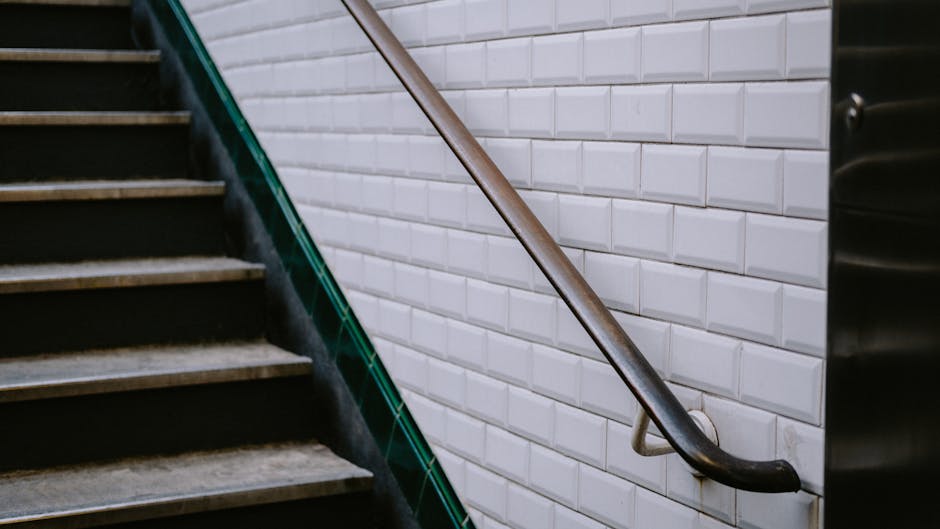
How to handle narrow stairs for removals in Elephant and Castle
Anyone who has tried to move a sofa, wardrobe, or double mattress through a cramped stairwell knows the feeling: shoulders tense, knuckles close to the wall, and someone at the bottom muttering, "steady... steady." In Elephant and Castle, that situation comes up a lot. Older mansion blocks, split-level flats, converted buildings, and tight communal staircases can turn a straightforward move into a careful bit of problem-solving.
This guide explains How to handle narrow stairs for removals in Elephant and Castle in a practical, real-world way. You will learn how movers assess stair access, what makes narrow stairs tricky, how to reduce risk, and which methods usually work best. If you are planning a flat move, a house removal, or shifting bulky furniture in the area, this should help you avoid the usual headaches. And to be fair, there are a few headaches to avoid.
Some moves only need patient lifting and good communication. Others need specialist equipment, dismantling, or a different route altogether. The key is knowing which is which before anyone starts carrying a heavy chest of drawers up a stairwell that was clearly designed by someone who never owned a sofa.
Table of Contents
- Why narrow stairs matter in Elephant and Castle moves
- How narrow-stair removals work in practice
- Key benefits and practical advantages
- Who this is for and when it makes sense
- Step-by-step guidance
- Expert tips for better results
- Common mistakes to avoid
- Tools, resources and recommendations
- Law, compliance, standards, or best practice
- Options, methods, or comparison table
- Case study or real-world example
- Practical checklist
- Conclusion
- Frequently Asked Questions
Why narrow stairs matter in Elephant and Castle moves
Narrow stairs change everything. A move that looks manageable from the pavement can become slow, awkward, and risky once you reach the first landing. In Elephant and Castle, this matters even more because the area has a mix of building types: newer apartment blocks with lift access, older estates with tighter stairwells, and converted properties where every turn seems to arrive at the exact wrong angle.
The problem is not just size. It is also clearance, turning space, grip, weight distribution, and the chance of damaging paintwork, plaster, balustrades, or the item itself. A tall wardrobe may technically fit height-wise, but if the stairwell has a sharp turn and a low ceiling, you can end up stuck halfway up, which is nobody's favourite position on moving day.
There is also the human side. Narrow stairs demand more communication, more patience, and more planning. Two people can move a lightweight chair without much drama. A fridge, piano, or awkward corner sofa is another matter entirely. One rushed step can mean a chipped wall, a strained back, or a piece of furniture twisted out of shape.
In practice, this is why professional removals teams do a proper access check before moving day. They are not being fussy. They are saving time, money, and a lot of needless stress.
How narrow-stair removals work in practice
Handling a move through narrow stairs starts long before the first box is lifted. A good team will usually begin by measuring key access points: the staircase width, landing size, ceiling height, doorway width, and the dimensions of larger furniture. That simple bit of prep often decides whether something can be carried upright, tilted, rotated, or needs to be dismantled first.
The next step is route planning. The crew works out how items will travel from the property to the vehicle with the fewest tight turns and the least lifting. Sometimes that means removing doors, wrapping corners with protection, or assigning a spotter at each landing. Sometimes it means carrying an item in a different orientation than you expected. Furniture does not care about your plans, sadly.
Movers also consider the load itself. Heavy items are usually handled by at least two people, sometimes more. The person at the bottom often carries more of the weight on staircases, while the person at the top guides the angle and keeps the item stable. On a narrow stairwell, small adjustments matter. An inch one way can make all the difference.
Some jobs call for additional equipment such as shoulder straps, furniture sliders, blankets, edge protectors, trolley dollies for flat access, or dismantling tools. In some cases, if stair access is simply too restrictive, the best solution is a hoist, a balcony lift, or taking a different entrance if the building allows it. Not every property does, of course, but it is worth checking.
A useful rule of thumb: if the item feels hard to turn in an empty room, it will feel harder on a stair landing with a bannister in the way and someone holding a kettle behind you saying, "are you nearly done?"
Key benefits and practical advantages
Doing narrow-stair removals properly is not just about avoiding disaster. It also makes the whole move calmer and faster, which is no small thing when you are dealing with keys, parking, neighbours, and the general chaos of moving day.
- Less damage risk: Good planning protects walls, banisters, door frames, and the furniture itself.
- Safer lifting: Proper technique and enough people reduce strain on backs, wrists, and shoulders.
- Faster progress: A clear plan reduces stop-start confusion on the stairs.
- Better problem-solving: If something will not fit, you know sooner and can switch to dismantling or another route.
- Less stress for everyone: Clear roles and steady communication make the move feel under control.
There is also a financial angle. Replacing a damaged chest of drawers or repainting a scuffed hallway can be more expensive than preparing properly in the first place. The same goes for delay costs if a move over-runs because someone underestimated the stairs.
And let's be honest: a smooth move just feels better. You notice it immediately. Fewer raised voices. Less dragging. Fewer awkward pauses on the landing while everyone rethinks the whole plan.
Who this is for and when it makes sense
This approach is useful for anyone moving in Elephant and Castle where stair access is tight, but it is especially relevant if you are dealing with heavier or larger items. That includes families moving out of flats, renters changing properties, students with mixed furniture, landlords clearing a unit, and homeowners in converted buildings where the stairs were clearly an afterthought.
It also makes sense if you are:
- moving from a top-floor flat with no lift
- handling furniture with awkward dimensions
- trying to protect newly decorated interiors
- working to a tight schedule on a weekday
- sharing stair access with neighbours, so timing matters
If the move involves only boxes and small bags, narrow stairs are still annoying, but manageable. If there is a sofa bed, wardrobe, or white goods involved, the stakes go up quickly.
One thing people often miss: even if the furniture technically fits, the journey may still be too awkward for safe handling. Fitting is not the same as moving well. That difference catches a lot of people out.
Step-by-step guidance
Here is the practical process we would use for a narrow-stair removal job in Elephant and Castle.
- Measure the access before moving day. Check stair width, landing depth, ceiling height, doorway clearances, and any awkward corners. Measure the largest furniture items too.
- Identify problem items early. Sofas, wardrobes, beds, mattresses, appliances, glass furniture, and large mirrors deserve special attention.
- Decide what should be dismantled. Flat-pack furniture, bed frames, table legs, and some wardrobes are often easier in parts than as one piece.
- Protect the property. Use blankets, corner guards, and floor protection where needed. That small effort can prevent a very annoying repair later.
- Plan the carrying order. Put the most awkward items first while people are fresh, alert, and not already irritated by ten trips of boxes.
- Assign roles. One person leads, one supports, and one spots tight corners. If a third person is available, they can manage doors, call out hazards, or help with pauses at landings.
- Move slowly on stair turns. Reassess each landing and turn. Never force an item through a corner because you are "nearly there".
- Use the safest orientation. Sometimes an item needs to go vertical, diagonal, or sideways. The correct angle is the one that protects people and the item.
- Stop if the route is wrong. If the item jams or the strain feels unsafe, pause and rethink. A short reset beats a bad lift.
- Load the vehicle carefully. Once outside, secure items well so all the effort upstairs is not undone by a sloppy load in the van.
A small but important note: keep doorways open where possible, but only if it does not create a fire safety issue or disturb others. In shared buildings, common sense and courtesy go a long way.
Expert tips for better results
Here are the little things that make a big difference.
1. Photograph the staircase and the furniture beforehand. A quick set of images helps movers plan angles and spot obstacles. It also helps if you need to compare access later or explain why a certain item needs dismantling.
2. Remove loose parts before you start. Shelf inserts, drawers, cushions, detachable legs, and anything that swings or slides can throw off balance on a narrow stairwell.
3. Keep the stairwell clear. Shoes, plant pots, prams, umbrellas, and random hallway clutter all become trip hazards at the worst possible moment.
4. Protect the corners, not just the obvious walls. Stair corners, banister ends, and landing edges are where scrapes often happen. People focus on the wall and forget the awkward little protrusion at elbow height.
5. Communicate in simple terms. Short instructions work better than long ones. "Pause." "Lift." "Pivot." "Down one step." Nice and clear.
6. Plan around the building's rhythm. In Elephant and Castle, some blocks get busy around school run times, bin days, or evening return periods. If you can schedule around that, the move is usually smoother.
7. Be realistic about DIY lifting. Truth be told, this is where optimism can get expensive. If an item already feels borderline in an open hallway, stairs will not make it friendlier.
Expert summary: narrow-stair removals are rarely about brute force. They are about angles, timing, communication, and knowing when to stop and rethink. That is the bit that saves people a lot of grief.
Common mistakes to avoid
Most problems on narrow stairs are preventable. The usual mistakes are not mysterious; they are just easy to make when everyone is in a rush.
- Skipping measurements: Guessing the fit is a classic mistake. "It should go" is not a plan.
- Underestimating corners: The turn is often harder than the straight run of stairs.
- Trying to force oversized items: If something jams, forcing it usually causes damage or injury.
- Using too few people: A heavy item with inadequate support is a recipe for wobble.
- Ignoring the landing space: Even when the stairs are passable, the landing may be too tight to re-angle the load safely.
- Not protecting surfaces: One careless scrape can mark painted wood or fresh plaster in seconds.
- Leaving dismantling too late: Once the item is at the stairwell, it is often too late to make a calm decision.
- Rushing after one difficult lift: Fatigue leads to sloppy handling. That is when people trip, twist, or lose patience.
A surprising number of moving problems come from people assuming the route will "sort itself out". It rarely does. Stairs have a way of revealing the truth, very quickly.
Tools, resources and recommendations
You do not always need specialist equipment for every move, but the right tools make narrow-stair work easier and safer. The trick is using the right tool for the job, not loading the hallway with gear like you are building a temporary workshop.
| Tool or aid | What it helps with | Best use case |
|---|---|---|
| Furniture blankets | Protecting surfaces and reducing scuffs | Most items, especially wood and painted furniture |
| Corner protectors | Shielding walls and stair edges | Tight turns and narrow landings |
| Shoulder straps | Improving grip and load balance | Heavy items handled by trained movers |
| Disassembly tools | Taking furniture apart safely | Beds, wardrobes, tables, modular units |
| Trolleys or dollies | Moving items on level ground | From property to van, or in lift-access buildings |
| Floor protection | Reducing scratches and dirt transfer | Shared hallways, polished floors, newly decorated homes |
It also helps to have basic packing supplies ready: strong tape, labels, bubble wrap for fragile items, and bags for screws or fittings. Put hardware in clearly labelled packets. Future-you will be grateful, possibly dramatically so.
If the item is very large, awkward, or expensive, consider a professional removal team with experience of tight access. The extra planning is worth it when the alternative is a scratched wall and a trapped wardrobe halfway round a landing.
Law, compliance, standards, or best practice
For removals work involving narrow stairs, the main concern is safe handling and reasonable care rather than a single special rule for Elephant and Castle. In the UK, movers and customers should think in terms of safe manual handling, protection of property, and sensible risk reduction. If you are hiring a removal team, it is fair to expect them to work carefully, communicate clearly, and avoid unsafe lifting practices.
In shared buildings, there may also be building-specific rules about access times, lift bookings, loading bays, noise, and hallway use. These vary, so it is wise to check in advance rather than assuming anything. Some blocks need advance notice for the managing agent or concierge. Others are more relaxed, but the staircase still has to stay clear.
Good practice usually includes:
- checking access before the move
- protecting communal areas
- avoiding unnecessary damage to walls and fixtures
- using enough people for heavy lifting
- stopping work if the route becomes unsafe
If your move involves antiques, specialist furniture, or items of high personal value, a more cautious approach is sensible. It is not being overcautious. It is simply smart.
Options, methods, or comparison table
There is usually more than one way to handle a narrow staircase. The right choice depends on the item, the building, and how much risk you are willing to accept. Here is a simple comparison.
| Method | Best for | Pros | Limitations |
|---|---|---|---|
| Manual carry with protection | Smaller furniture and boxes | Cost-effective, flexible, quick for lighter items | Can be difficult on tight turns and for heavy loads |
| Dismantling furniture | Wardrobes, beds, tables, modular pieces | Makes awkward items fit more easily | Takes time and requires careful reassembly |
| Specialist lifting equipment | Heavier or awkward items | Improves control and reduces strain | Needs trained use and suitable access |
| Alternative route or entrance | Buildings with rear access, lifts, or balconies | Can avoid the main staircase entirely | Only works if the property layout allows it |
For many Elephant and Castle properties, the best answer is a combination: measure first, dismantle where sensible, protect the route, and use enough people. That blend is usually better than trying to power through with confidence and hope. Hope is not a moving technique.
Case study or real-world example
A typical example: a couple moving out of a top-floor flat in a converted building near Elephant and Castle had a two-seater sofa, a wardrobe, a bed frame, and several boxes. The stairs were narrow, with one awkward half-landing turn and a low ceiling section above the second flight.
At first glance, the wardrobe looked like the main problem. Once measured, though, the sofa was actually the awkward item because the arm width made the turn difficult. The move was handled by dismantling the bed frame, removing the wardrobe doors, protecting the landing corner, and carrying the sofa on its side with a controlled pivot at the middle landing.
The biggest win was not speed. It was avoiding a rushed decision on the day. Because access had been checked in advance, the team knew what needed dismantling and what needed extra padding. The result was a slower start and a much smoother finish. No damaged walls, no strained backs, no late panic. That is about as good as a narrow-stair move gets, really.
What stands out from jobs like this is how often the "hardest" item changes once measurements are taken. People often guess wrong. The object that looks manageable in the living room can be the one that causes trouble on the landing.
Practical checklist
Use this checklist before moving day.
- Measure every narrow stair, landing, and doorway
- Check the size of your biggest furniture items
- Identify anything that can be dismantled
- Label screws, bolts, and small fittings
- Clear hallway clutter and trip hazards
- Protect walls, floors, and stair corners
- Agree who will lead, guide, and spot
- Book access or loading arrangements if needed
- Plan the order of items to be moved
- Have packing materials and tools ready
- Pause if anything feels unsafe or jammed
- Load the van securely once items are outside
If you can tick most of these off before anyone starts lifting, the move is already in a much better place.
Conclusion
Narrow stairs do not have to turn a removal into a disaster. With the right measurements, a sensible plan, and a calm approach, you can move furniture safely through tight spaces in Elephant and Castle without tearing up walls or everyone's patience. The main thing is to treat access as a real part of the job, not an afterthought.
Whether you are moving from a compact flat, clearing a rented property, or shifting one awkward item, the same principles apply: measure, protect, communicate, and choose the safest method rather than the fastest-looking one. That bit matters more than people realise.
Get a free quote today and see how much you can save.
And if you are standing at the bottom of a stubborn staircase wondering whether that sofa will ever make it through, take a breath. With the right plan, it usually does.
Frequently Asked Questions
What is the best way to move furniture up narrow stairs?
The best approach is to measure first, protect the route, and use the right number of people for the item. Many bulky pieces need to be tilted, turned, or dismantled before they will fit safely.
How do I know if my sofa will fit up the stairs?
Measure the sofa's widest points, then compare them with stair width, landing size, ceiling height, and the tightest turn. If the route looks borderline on paper, it will usually feel tighter in real life.
Should I dismantle furniture before a removal?
Yes, where practical. Beds, table legs, wardrobes, and modular furniture often move more safely in pieces. It also reduces the risk of scraping walls on the way up or down.
What if the stairs are too narrow for my furniture?
If the item cannot pass safely, the usual options are dismantling, using an alternative access route, or arranging specialist lifting support. Forcing it is rarely worth the damage risk.
Do removal companies in Elephant and Castle handle tight staircases?
Many do, but not every move is the same. The best teams will assess access in advance, ask for measurements, and tell you if anything needs extra preparation.
How can I protect walls on narrow stairs during a move?
Use furniture blankets, corner protection, and clear communication during turns. It also helps to remove loose items from hallways and keep the route as uncluttered as possible.
Is it safe to move heavy items upstairs without professional help?
Sometimes, yes for lighter loads. But for heavy, awkward, or valuable items, professional help is usually the safer choice. Narrow stairs increase the physical strain and reduce room for error.
How long does a narrow-stair removal usually take?
It depends on the number of items, access issues, and whether dismantling is needed. A well-planned move is usually much faster than one where the team is improvising at every landing.
What should I measure before moving day?
Measure the staircase width, landing depth, ceiling height, doorways, and the dimensions of your biggest items. Photographs help too, especially if there is a sharp turn or low ceiling section.
Can lifts or hoists be used instead of stairs?
Sometimes. If the building layout and access allow it, a lift or external hoist can be a useful alternative for very awkward items. It depends on the property and the equipment available.
What are the most common mistakes with narrow-stair removals?
The biggest mistakes are not measuring, underestimating tight turns, using too few people, and trying to force items through. A small pause to rethink is usually far better than a damaged wall or a strained back.
What is the safest first step if I am unsure about access?
Take measurements, take a few clear photos, and talk through the largest items before moving day. That simple preparation gives you a realistic idea of what will fit and what needs a different plan.